MSU at Naawan hosted Lecture Series on Sustainable Aquaculture and Innovation
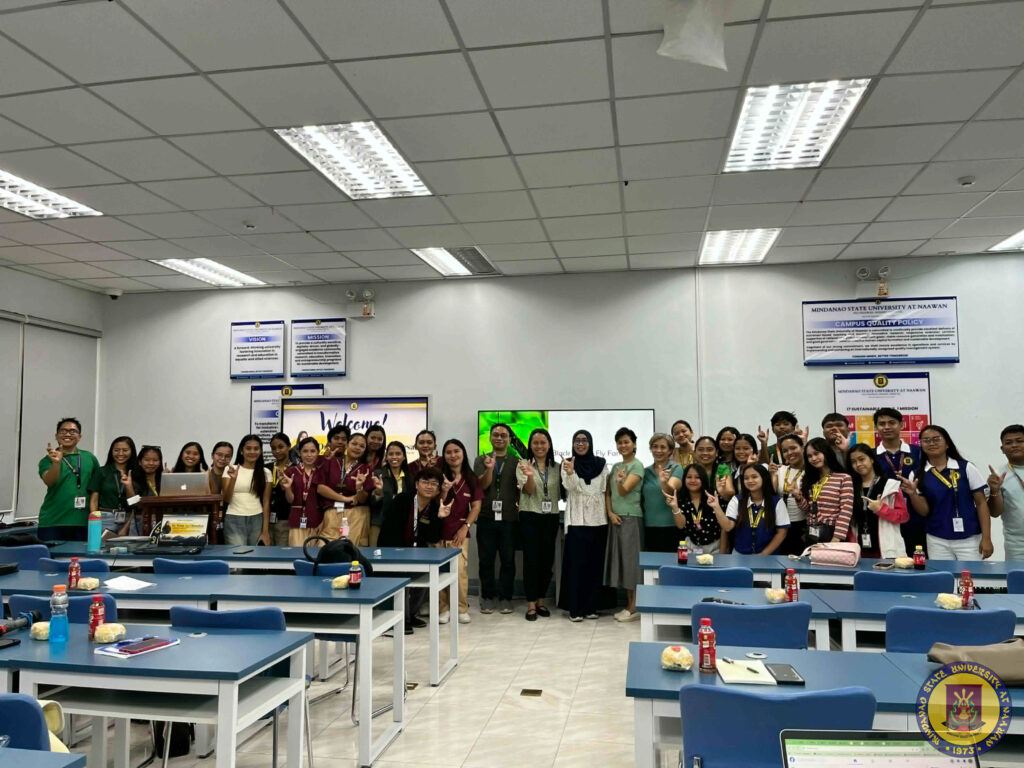
Mindanao State University at Naawan, through the collaboration of the Office of Global Engagement and Partnership, the Office of Research and Publication Services, and the Office of Extension Services, successfully hosted a Lecture Series: Innovations in Sustainable Aquaculture Feed and Waste-to-Resource Technologies on April 23, 2026, at the Function Room, Research Building, MSU at Naawan.
The activity featured Dr. Wastu Ayu Diamahesa from the Aquaculture Study Program, Faculty of Agriculture, University of Mataram, who served as the resource speaker during her visit to MSU at Naawan from April 22–25, 2026.
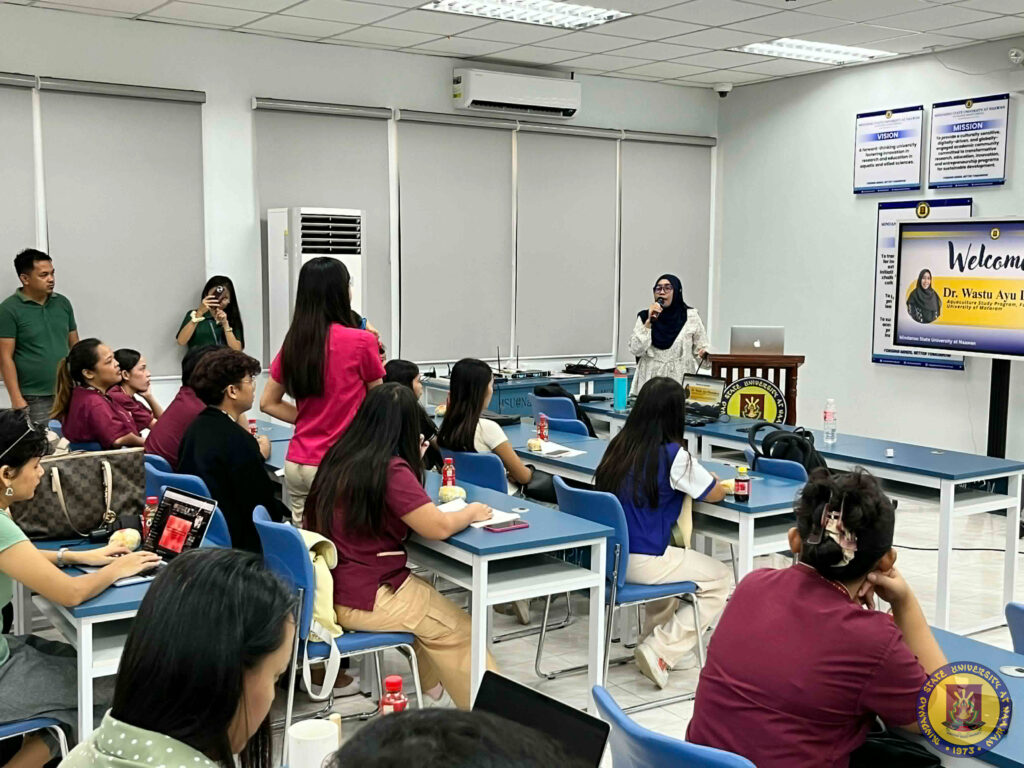
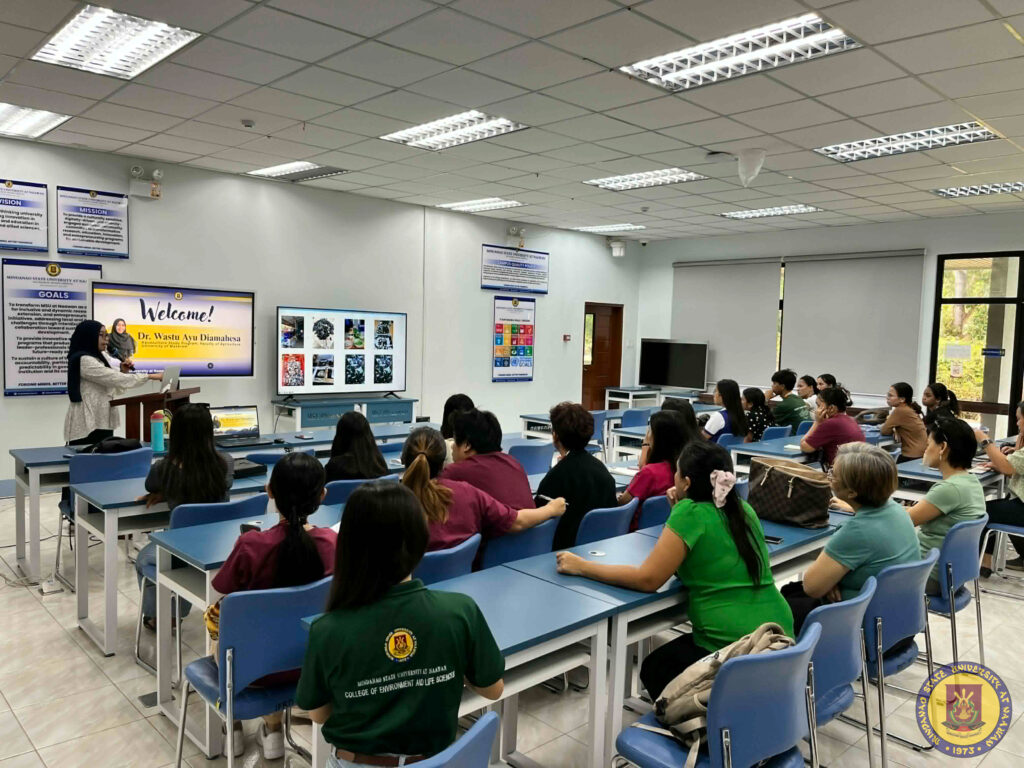
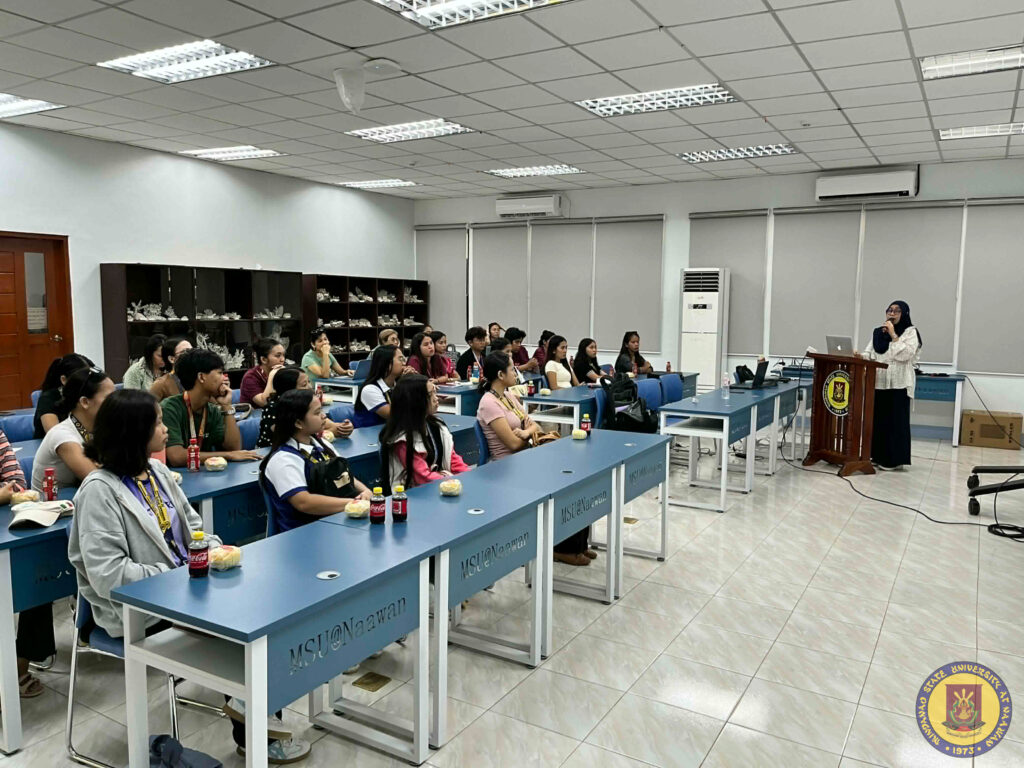
During the lecture series, Dr. Wastu Ayu Diamahesa shared in-depth insights on innovations in aquaculture feed utilizing locally available and cost-efficient materials, emphasizing their critical role in reducing production costs, enhancing feed sustainability, and minimizing dependence on imported inputs. She highlighted her research on mud crab and Nile tilapia, emphasizing the importance of species-specific nutrition in improving growth performance, survival rates, and overall farm productivity, key factors in strengthening food security and supporting the livelihoods of small-scale aquaculture practitioners.
In addition, Dr. Diamahesa discussed technology transfer initiatives focused on the bioconversion of coastal organic waste into Black Soldier Fly (BSF) maggot-based aquaculture feed. She emphasized the significance of this approach in addressing pressing environmental challenges such as organic waste accumulation, while simultaneously producing a high-protein, sustainable alternative feed source. This circular economy model not only promotes efficient resource utilization but also contributes to climate-resilient and environmentally responsible aquaculture systems.
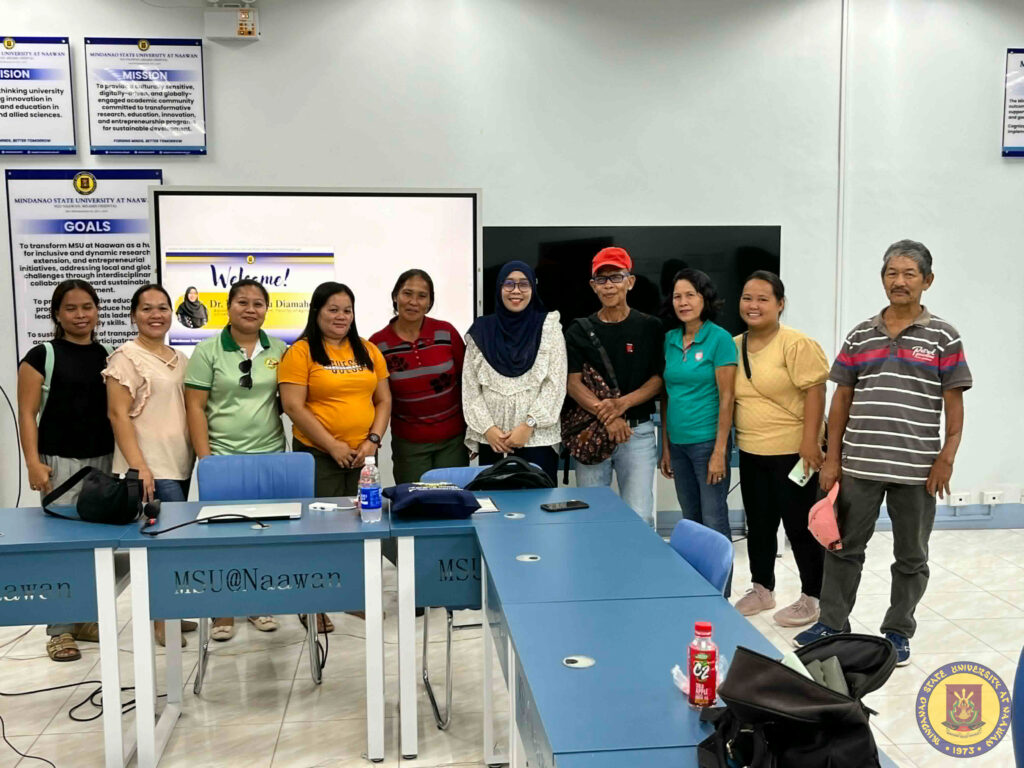
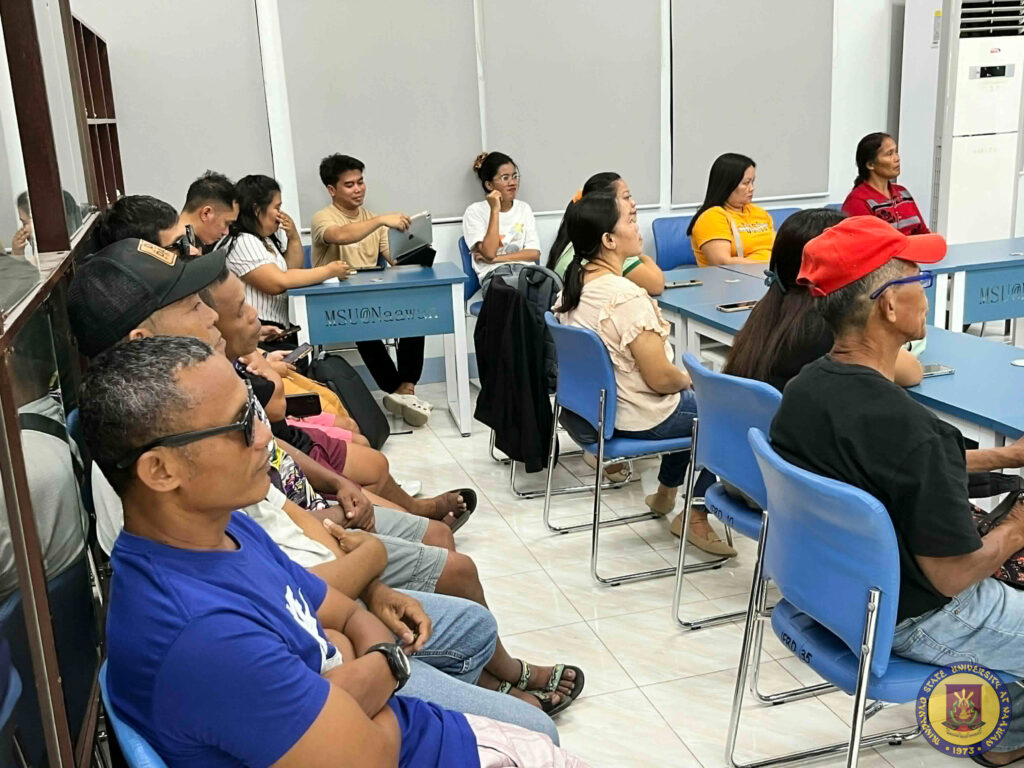
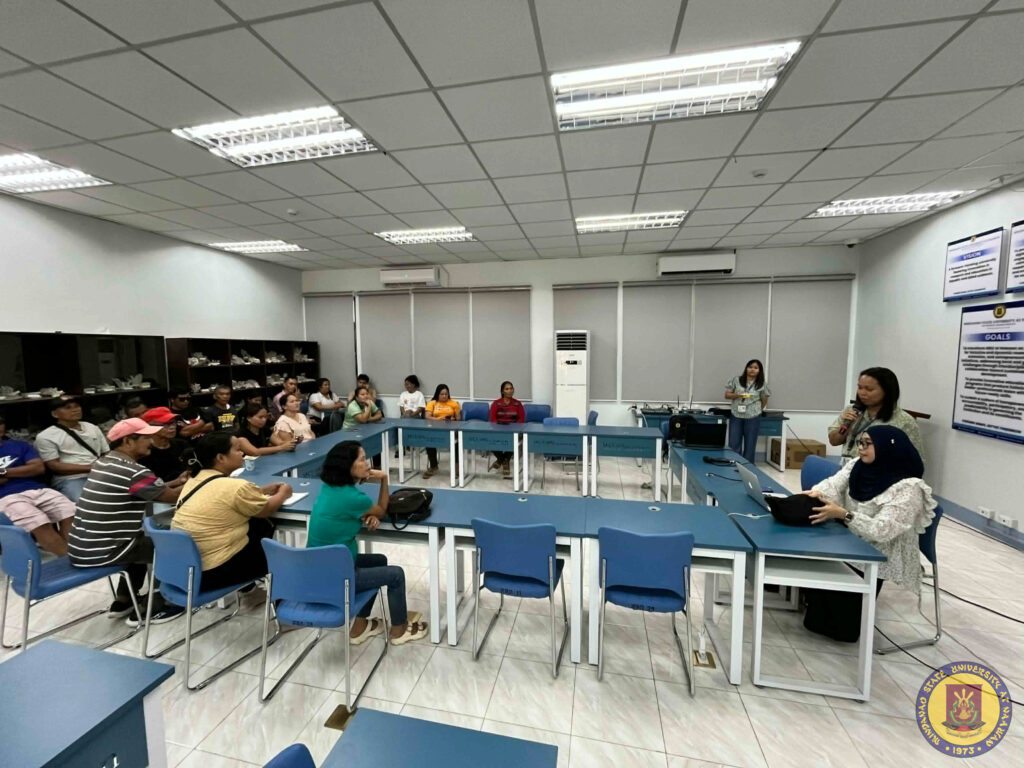
The morning session was attended by MSU at Naawan faculty members and students, providing an academic platform for knowledge enrichment, research exchange, and capacity building. The afternoon session, on the other hand, engaged members of the local community, translating scientific knowledge into practical applications and reinforcing the university’s commitment to extension services, community empowerment, and inclusive knowledge-sharing.
On April 24, 2026, Dr. Diamahesa participated in an institutional and community engagement tour, which included visits to the LGU Naawan and Initao Municipal Hall. The visit also featured an environmental and cultural immersion at the Initao-Libertad Seascape and Landscape and Tubajon Aquamarine Park, providing an opportunity to showcase local coastal resource management initiatives and biodiversity conservation efforts.
This lecture series formed part of MSU at Naawan’s continuing efforts to bring global expertise to the university and its partner communities. Through sustained international engagements, the university remains committed to fostering collaboration, advancing research, and promoting sustainable innovations in aquaculture and coastal resource management.