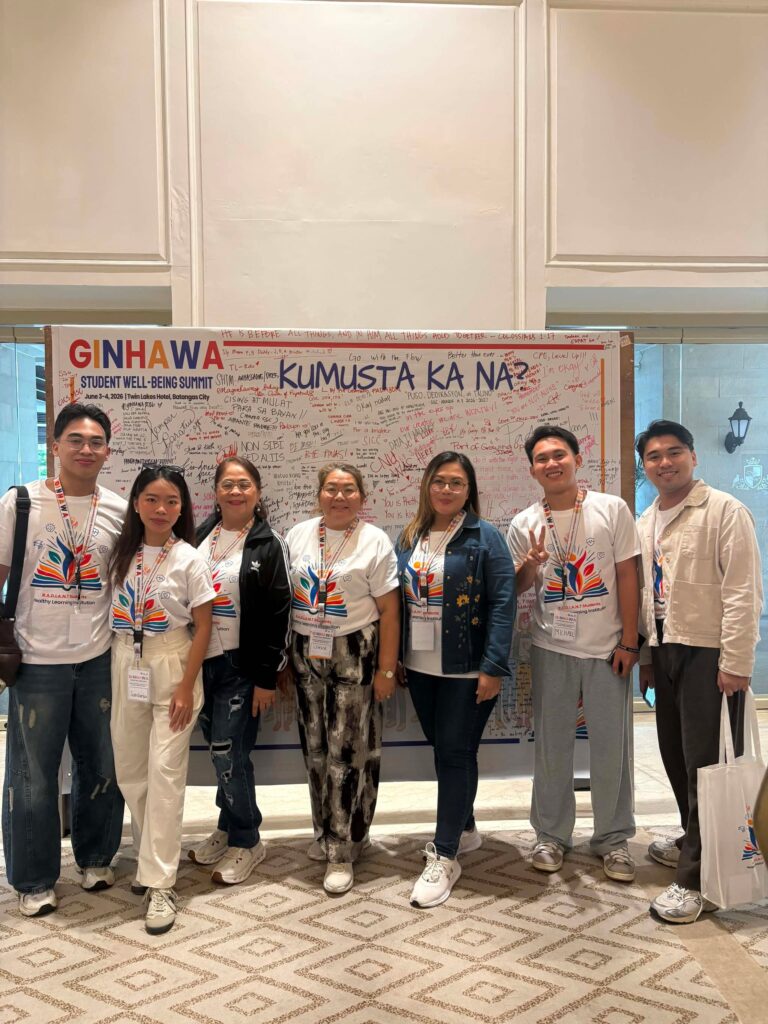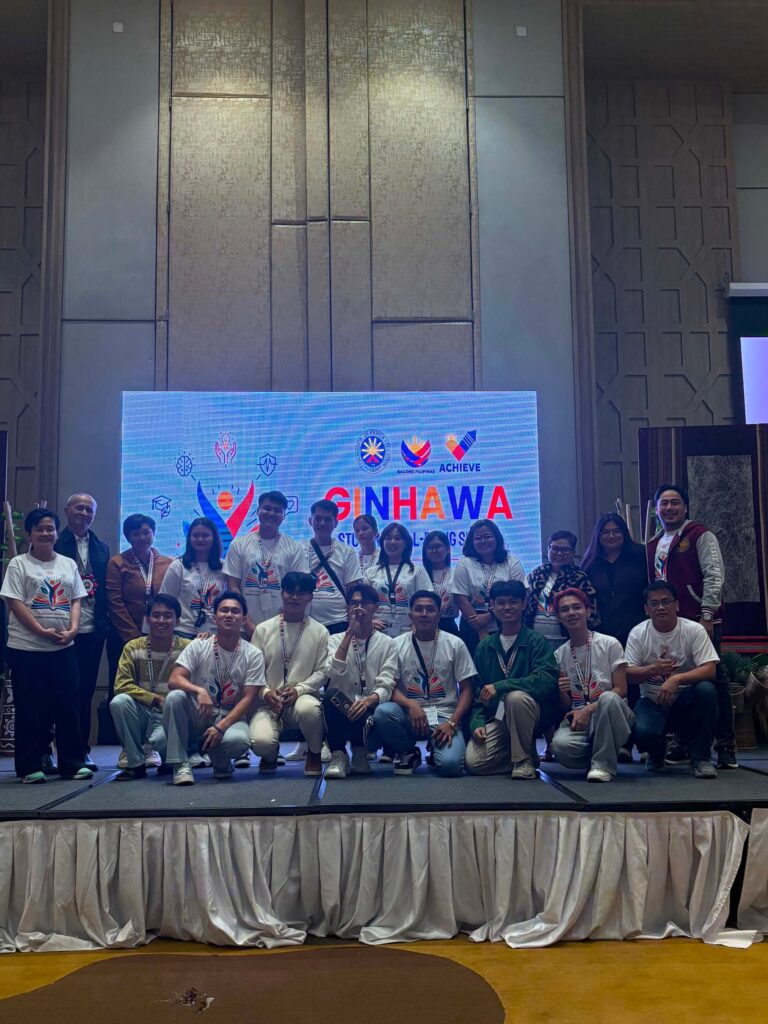
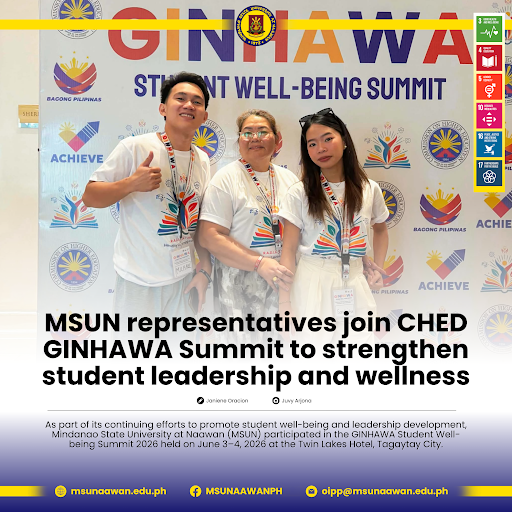
As part of its continuing efforts to promote student well-being and leadership development, Mindanao State University at Naawan (MSUN) participated in the GINHAWA Student Well-being Summit 2026 held on June 3–4, 2026 at the Twin Lakes Hotel, Tagaytay City.
Representing the university were KAABAG Student Peer Facilitator Michael Domat-ol, Supreme Student Council (SSC) Vice-President Sandarha Langgam, and Office of Student Welfare (OSW) Director Juvy Arjona, who joined student leaders and student affairs practitioners from across the country under the theme, “Inspiring Wellness, Leadership, and Purpose in Higher Education.”
The two-day summit served as a platform for participants to explore strategies for fostering student wellness, leadership, and meaningful engagement in higher education. Through plenary sessions, workshops, and collaborative discussions, delegates gained insights into creating supportive learning environments, encouraging help-seeking behaviors, and strengthening campus-based initiatives that contribute to students’ holistic development.
Throughout the summit, participants engaged in discussions, workshops, and collaborative learning sessions focused on student wellness, leadership development, and mental health advocacy. The event highlighted the importance of fostering supportive learning environments, strengthening help-seeking behaviors, and enhancing peer-led initiatives that contribute to the holistic development of students in higher education.
Delegates also explored programs and best practices aligned with CHED’s Pathway to Health and Well-being Framework, which promotes a whole-of-institution approach to student welfare. The sessions emphasized the shared responsibility of student leaders, peer facilitators, educators, and student affairs practitioners in creating healthier, more inclusive, and student-centered academic communities.
Through their participation, the MSUN representatives gained valuable insights that may contribute to the continued development of campus-based wellness programs, peer support initiatives, and student leadership activities. Their attendance at the summit reflects the university’s commitment to fostering a culture of wellness, leadership, and purposeful engagement among its students.